Core Reflex
Menu
  • Contact
Menu

Category: Tourism

Why Is Manali Such a Well-Known Tourist Destination?

Posted on January 23, 2026January 25, 2026 by corereflex

Manali, one of India’s most well-known hill stations and a popular vacation destination for both domestic and international tourists, lies tucked away in the magnificent Himalayas. Manali, which lies in the Himachal Pradesh district of Kullu, is well known for its beautiful scenery, comfortable weather, and lively cultural scene. It has changed over time from a sleepy mountain community to a significant tourist destination. Manali’s popularity isn’t a coincidence; rather, it stems from a special fusion of accessibility, adventure options, spiritual attractiveness, and natural beauty that appeals to a wide range of travelers. Read more about Manali tour packages from Ahmedabad by visiting our website and if you have any questions related to this topic, connect with us.

Scenic Landscapes and Natural Beauty

Manali’s exceptional natural beauty is one of the main reasons it is so well-known for tourism. The town provides picturesque views in all directions, surrounded by snow-capped mountains, verdant valleys, thick woods, and the Beas River. Manali is filled in blossoming flowers and lush vegetation in the spring and summer, and a snow-covered snowy paradise in the winter. Whether they are looking for a snowy winter getaway or a cool summer hideaway, this seasonal variation draws visitors all year round. Manali is the ideal location for rest and renewal because of its serene surroundings and clean mountain air.

A pleasant climate all year round

Manali’s attractiveness as a travel destination is largely due to its climate. It is a popular summer vacation destination because of the cool, pleasant summers that provide respite from the extreme heat of the plains. In contrast, winters are cold and snowy, attracting visitors who like to enjoy skiing, snowfall, and comfortable mountain retreats. The rain adds to the foliage and gives the valleys a new, lively appearance, so even the rainy season has its allure. This year-round attractiveness guarantees a consistent stream of visitors throughout the year.

Outdoor Recreation and Adventure

Another important factor contributing to Manali’s renown is adventure tourism. Numerous exhilarating sports, including paragliding, river rafting, trekking, skiing, snowboarding, and mountain biking, are available in the area. For adventure and snow sports, Rohtang Pass and Solang Valley are particularly well-liked. Nature lovers and adventure seekers who wish to see the Himalayan landscape are drawn to the trekking paths surrounding Manali. Manali is particularly appealing to young tourists, groups of friends, and adventure seekers seeking thrills and breathtaking scenery because of these activities.

Spiritual and Cultural Importance

Manali has strong cultural and spiritual origins in addition to its love of nature and adventure. The town has historic temples, traditional wooden buildings, and Himachali-inspired local customs. One of the most popular sights is the Hidimba Devi Temple, which has a distinctive construction and is surrounded by a forest. The visitor experience is further enhanced by festivals, regional fairs, and traditional cuisine. Many tourists find that Manali provides a serene, spiritual environment that is perfect for introspection, meditation, and cultural discovery.

Entryway to Adjacent Locations

Manali’s advantageous location is another factor contributing to its popularity. It provides access to a number of other well-known locations in Himachal Pradesh and outside. Manali is frequently used by tourists as a starting point to see neighboring locations including Rohtang Pass, Lahaul-Spiti, Kasol, and Leh-Ladakh. This is the starting point of the renowned Manali–Leh Highway, which draws bikers and road trip aficionados from all over the world. Manali’s significance as a major tourist destination in northern India is enhanced by this connectivity.

A well-developed infrastructure for tourism

Manali boasts a sophisticated tourism infrastructure that accommodates a wide range of spending levels and tastes. There are many different lodging alternatives, ranging from affordable guesthouses and homestays to upscale resorts and boutique hotels. Tourists may readily find restaurants, cafés, local markets, and transport services, which makes their stay convenient and comfortable. Locals’ warmth and friendliness enhance the whole experience and entice guests to come back.

Conclusion

In conclusion, Manali’s fame as a tourist destination is the result of its unmatched natural beauty, pleasant climate, adventure opportunities, cultural richness, and excellent connectivity. Whether someone is looking for relaxation, adventure, spirituality, or a romantic getaway, Manali offers something for everyone. Its ability to cater to diverse interests and age groups makes it one of India’s most loved hill stations. This perfect combination of nature, culture, and modern tourism facilities ensures that Manali continues to remain a top choice for travelers year after year.

Discovering Nikko: An Entryway to Japan’s Cultural Heritage and Natural Beauty

Posted on August 20, 2025August 23, 2025 by corereflex

Located in Japan’s Tochigi Prefecture, Nikko is a town where nature, culture, and history come together to give visitors an experience they won’t soon forget. Famous for its gorgeous temples, verdant woods, and mesmerizing waterfalls, Nikko tours provides tourists with a singular fusion of adventure and tranquility. A vacation to Nikko offers more than just sightseeing; it’s a chance to experience centuries of Japanese customs while taking in the peace and quiet of the area’s natural surroundings. Nikko has a lot to offer that may significantly enhance your trip, regardless of your interests—history buffs, nature lovers, or those looking to rejuvenate spiritually.

Historical and Cultural Importance

The cultural and historical significance of Nikko is among the strongest arguments for visiting. The town is home to the UNESCO World Heritage Sites of Rinnoji Temple, Futarasan Shrine, and Nikko Toshogu, all of which showcase Japan’s spiritual and architectural traditions. The tomb of Tokugawa Ieyasu, the Tokugawa shogunate’s founder, Nikko Toshogu, is well-known for its intricate carvings and vivid colors, providing a window into the splendor of Japan’s medieval past. Travelers may admire the painstaking skill and workmanship that have been preserved for generations by visiting these heritage sites. Additionally, the serene refuge offered by the temples and shrines’ spiritual atmosphere makes it the perfect place for introspection and meditation.

Scenic Landscapes and Natural Beauty

Nikko is renowned for its stunning natural landscapes as well. The region, which is encircled by mountains and thick forests, is a nature lover’s paradise. The tranquil waters of Lake Chuzenji, which was created by volcanic activity, mirror the nearby mountains, making for a picturesque setting. One of the most well-known waterfalls in Japan, Kegon Falls, is especially breathtaking in the fall when the leaves transform into a vibrant tapestry of red, orange, and gold. Visitors may enjoy the region’s rich biodiversity by hiking Nikko National Park’s trails, which range from peaceful forest walks to strenuous mountain treks. In addition to revitalizing the body, taking in Nikko’s natural beauty offers a welcome diversion from the bustle of the city.

Festivals and Seasonal Attractions

The range of festivals and seasonal events that enhance the cultural experience is another advantage of traveling to Nikko. Hanami, or flower watching, is made possible by the town’s delicate pink colors in the spring when the cherry blossoms bloom. The summer months are ideal for trekking and waterfall exploration because of the abundant foliage and comfortable temperatures. With the mountains changing into a vivid array of reds and oranges, autumn is arguably the most attractive season, attracting both nature lovers and photographers. Despite the cold, winter offers a calm and peaceful setting, frequently covered with snow, which lends a magical air to the temples and shrines. Festivals like the Nikko Toshogu Grand Festival also provide tourists an authentic cultural experience by celebrating the town’s history with parades, traditional music, and ceremonial ceremonies.

Spiritual Rejuvenation and Wellbeing

There are also spiritual and mental advantages of visiting Nikko. A serene setting perfect for introspection and mindfulness is produced by the mix of historic landmarks, serene temples, and natural surrounds. After strolling along the peaceful woodland trails or relaxing in the tranquil temple gardens, many guests report feeling renewed and revitalized. An additional layer of relaxation is provided by the nearby hot springs, which let visitors unwind while taking in expansive mountain vistas. Nikko is more than simply a vacation spot because of its all-encompassing commitment to wellbeing; it is a haven for the body, mind, and spirit.

Conclusion

Nikko is a must-visit place for anybody visiting Japan since it blends natural beauty, spiritual tranquility, and historical richness. While the town’s picturesque scenery and seasonal attractions give chances for adventure and leisure, its cultural landmarks offer a glimpse into the past. Traveling to Nikko fosters wellbeing and inner tranquility in addition to allowing visitors to take in the splendor of Japan’s cultural legacy. Nikko offers a rewarding and remarkable experience, regardless of your interests—history, breathtaking scenery, or a moment of introspection.

The significance of having competent tour guides

Posted on October 31, 2024November 1, 2024 by corereflex

The significance of knowledgeable tour guides for a fulfilling vacation

Customers have expectations when they make a trip reservation with your company. They depend on your experience, your familiarity with the area, and your capacity to provide them a memorable time.

Read more about Travel guide by visiting our website.

They wish to travel worry-free in the event that they have a tour guide scheduled for their trip. with the blame falling on someone else. For clients to be happy, the guide’s quality is consequently crucial. An excellent guide may enhance the trip and provide extra benefits. On the other hand, a subpar guide leaves clients unhappy and frustrated.

A competent tour guide does more than just improve tourists’ trip experiences. However, they are also in charge of ensuring that the trip minimizes any bad effects and has a beneficial influence on the destination.

The characteristics of an excellent tour guide

Throughout the journey, tour guides bear a great deal of duty. Not everybody has the ability to be an excellent tour leader. We’ve outlined the top six characteristics to look for in a tour guide.

1. gregarious and lively

The tour guide must be vivacious, gregarious, and entertaining in order to make travelers feel at ease during their trip. Involving everyone in the group and fostering a joyful and secure atmosphere are their tasks. In addition to encouraging travelers to be inquisitive and ask more questions, they should be readily available for inquiries or concerns.

2. Effective communication abilities

In addition to being gregarious and interesting, the tour guide should be able to communicate clearly and effectively. This is required to ensure that everyone is aware of the plans for the day and their responsibilities. When describing certain dos and don’ts in a delicate setting, effective communication skills are also helpful.

3. Informed and enthusiastic

A good tour guide’s local expertise is their real added value. Travelers are interested in things like local customs, exotic fruits, and historical details when they visit a place. For more clarification and background information, they will always consult the guide first. The tour guide should ideally be knowledgeable and enthusiastic about the place.

4. Well-prepared and on time

Travelers that are late and must wait for their tour guide are frequently under stress. and might feel unsatisfied with how the journey began. Therefore, it’s critical that the guide adhere to the predetermined schedule, have a clear structure, and be on time at all times. If the client requests a modification, it could be conceivable, but only if it is well-thought-out.

5. Calm and capable of handling a crisis

Not every traveler is laid-back and adaptable. A competent tour guide is able to assist those who are slower or more challenging. They must always exercise patience. In the event of an emergency, they are also aware of what to do: manage the situation while, if at all possible, keeping things calm.

6. Skilled and competent

Although having qualified and trained tour guides adds value, it is not a necessary component of a successful tour guide. Tour guides that possess a license and/or approved guide training have received professional training. They are capable of planning and executing a trip in accordance with regulations.

Guides for tourists and sustainability

You want your vacation experiences to be run responsibly if you’re interested in excellent tourism. Your tour guides are in charge of the front lines and are accountable for the actual events that take place during your trip. As such, it’s critical that they understand and get training on your sustainability policies and procedures.

There are five primary responsibilities of a tour guide during a trip that pertain to sustainability. They are guaranteeing a responsible and enjoyable trip by following these rules.

1. Showing respect for local communities

Treating locals with respect is essential, particularly while participating in community-based travel experiences but even when just going to a local market. Local communities should gain from and be positively impacted by tourism. By treating natives with respect and making sure that the tourists do the same, the tour guide leads by example. Authentic engagement is also encouraged by a skilled guide.

2. Preserving the environment

Natural resources should be preserved and well-maintained, just as local residents should be treated with dignity. This means keeping on the trails, removing (plastic) garbage from the environment at all times, and not touching or removing any protected plants or animals from the ecosystem. The guide is in charge of ensuring that travelers follow the same rules.

3. Taking care of animals

Wildlife travel experiences are always delicate, and tour guides must ensure that the animals are treated humanely. They are in charge of reporting animal abuse in addition to once again leading by example. It is their responsibility to inform tourists of the reasons why some (captive) animal travel experiences are unacceptable and to draw attention to the more animal-friendly options.

4. Safe and responsible driving

The tour guide must adhere to safe and responsible driving practices when behind the wheel. Basics include keeping on the authorized roadways, limiting speed, and shutting off the motor while stationary. Additionally, using a phone while driving is not a good driving practice. When on a safari, the guide is supposed to maintain a safe distance from the animals and always give them the right of way.

5. Educating and increasing awareness among travelers

It is the tour guide’s duty to ensure that every traveler behaves appropriately during the trip. The guide’s job is to remind and clarify various norms and restrictions, even if they should have been aware of them before their journey. The goal is to increase awareness and motivate tourists to support responsible tourism while they are on the road.

5 Great Reasons to Visit Washington DC

Posted on October 24, 2024November 5, 2024 by corereflex

1. Visit Washington, DC, to Witness Our Government in Action

Another unusual activity to do when in Washington, DC, is to visit the Congressional galleries. The Senate and House of Representatives galleries are available to the public several weekdays throughout the year if you are interested in the political process and the most recent happenings in what can often seem like a roller coaster ride in our government.

Read more about Capital city tours by visiting our website.

To visit either gallery at any time, you will require a pass. You may observe the activity when either legislative body is in session. Although you probably won’t meet members of Congress, you can still witness where the “magic happens” even when Congress is on recess. You can pick up gallery passes at your representative or senator’s office. The Capitol Building is directly across the street from the offices. At the House and Senate Appointment Desks on the Capitol Visitor Center’s top floor, foreign visitors can inquire for gallery permits.

2. Honor Our Heroes

Remembering those who sacrificed their life for our nation is one of my most poignant experiences when I travel to Washington, DC. The numerous war memorials and museums of honor serve as somber reminders of the costs of war and the extent of our gratitude for the men and women who gave their lives in defense of our liberties.

Depending on the season, the National Park Service, which is in charge of the National Mall, provides walking tours of all or part of the Memorials. Visit their website to learn more, or ask a ranger when you’re in Washington, DC. There have been occasions when I asked a ranger if there were any upcoming walking tours, and they immediately took four of us on an impromptu tour.

Unfortunately, personnel has decreased as a result of National Parks budget constraints. You may also download a free narrated walking tour of the National Mall area, which includes many of the memorials, if there isn’t a ranger-led tour available when you’re there.

3. Make a Holocaust Museum pledge to “Never Forget”

The Holocaust Museum is among the most powerful sites to see when visiting museums in Washington, DC. Every person in the world need to see this depressing historical memorial at least once. The hallowed area honors and informs about the horrifying slaughter that took place in Nazi Germany and a few neighboring nations during the 1930s and 1940s.

The majority of the museum is intended for adults and kids aged 11 and up. “Remember the Children: Daniel’s Story” is a unique display suitable for children aged 8 and above. Due to the sensitive and graphic nature of the subjects, children under the age of eight are not advised to visit the museum.

4. Summer Camps, Study Tours, Lectures, and Classes

You can opt to take advantage of lectures, courses, and seminars in addition to special and targeted Study Tours on topics as diverse as horses, Henry VIII, and horticulture, as if the millions of items spread around the city weren’t enough to occupy you for years. When you visit Washington, DC, you might want to sign up your child for one of the half-day or full-day Smithsonian Summer Camps, which run for a week. After that, you’ll have time to explore the area as an adult exclusively.

5. It’s a Fantastic Location for Nature Appreciation

Additionally, the outside areas are artistic creations. In every season, visitors to Washington, DC, may enjoy the city’s several parks and Smithsonian Gardens. You can escape the rain or snow and enjoy a tropical paradise right in the middle of the city at the Botanic Garden, which is near the Capitol Building.

The annual Independence Day Celebration, which includes a parade, fireworks, and a performance on the Capitol steps, kicks off the festivities on July 4.

Or take the Metro to the US National Arboretum in the north. The biggest planned herb garden in America is located there, along with a tree grove that features state trees from every state and Washington, DC. A variety of perennials, including dogwoods and azaleas, bloom throughout the spring and summer. It’s also worthwhile to visit to see the stunning fall foliage of the maple and yellowwood trees.

Discovering the Best Hotels in Mexico City: Luxury and Comfort Await

Posted on August 14, 2024August 18, 2024 by corereflex

Mexico City, a vibrant and sprawling metropolis, offers a diverse range of hotels to suit every taste and budget. From luxurious boutique hotels to cozy, affordable options, the city caters to all types of travelers. Here is a selection of some of the best hotels in Mexico City, renowned for their excellent service, prime locations, and outstanding amenities.

Luxury Hotels

  1. Four Seasons Hotel Mexico City Located on Paseo de la Reforma, this five-star hotel offers an unparalleled luxury experience. With elegant rooms, a world-class spa, and several gourmet restaurants, the Four Seasons is ideal for those seeking comfort and sophistication. Its central location provides easy access to major attractions such as Chapultepec Park and the National Museum of Anthropology.
  2. St. Regis Mexico City Also situated on Paseo de la Reforma, the St. Regis is known for its impeccable service and refined elegance. Guests can enjoy panoramic city views from their rooms, an exclusive spa, a rooftop pool, and multiple fine dining options. Its prime location makes it perfect for both business travelers and tourists.

Boutique Hotels

  1. Hotel Downtown Housed in a restored colonial palace in the historic center, Hotel Downtown blends old-world charm with modern comforts. Its tastefully decorated rooms and rooftop terrace, featuring a pool and stunning views, make it a popular choice for travelers seeking a unique and authentic experience.
  2. Condesa DF Located in the bohemian neighborhood of La Condesa, this boutique hotel offers a chic and contemporary experience. With innovative design, comfortable rooms, and a vibrant rooftop bar, Condesa DF is ideal for those wanting to explore the trendy shops, cafes, and parks of one of the city’s most fashionable areas.

Budget Hotels

  1. City Express Plus Reforma El Ángel For those looking for an affordable option without sacrificing comfort, City Express Plus Reforma El Ángel is an excellent choice. Featuring clean and functional rooms, breakfast included, and a convenient location near the Angel of Independence, this hotel offers great value for money.
  2. Hotel NH Collection Mexico City Reforma This hotel boasts an excellent location in Zona Rosa, close to shops, restaurants, and nightlife. The modern and comfortable rooms, along with amenities such as a gym, pool, and on-site restaurant, make it an affordable yet comfortable choice.

Central Hoteles: Combining Elegance and Comfort

Central Hoteles is known for providing unique and memorable experiences in Mexico City. Located in the historic center, their hotels blend luxury and modernity with the city’s historical charm.

  1. Zócalo Central Hotel Just steps from the Zócalo, this hotel offers impressive views of the Metropolitan Cathedral and the National Palace. With elegantly decorated rooms and a rooftop restaurant serving contemporary Mexican cuisine, Zócalo Central Hotel is perfect for those wanting to be at the heart of the city’s action.
  2. Historico Central This boutique hotel, housed in a restored 18th-century mansion, offers a mix of history and modernity. The rooms are designed for maximum comfort, and guests can enjoy complimentary breakfast and a selection of snacks and beverages available 24 hours at Café Central.

Tips for Your Stay

  • Advance Reservations: Mexico City is a popular destination, especially during holidays and long weekends. It’s advisable to book in advance to secure the best rates and availability.
  • Transportation: Consider the hotel’s proximity to major attractions and transportation options. Many luxury and boutique hotels offer private transportation services or are located near metro stations and bus stops.
  • Safety: While Mexico City is generally safe for tourists, it’s wise to take precautions, such as not displaying valuables in public and using official taxis or trusted transportation services.

In conclusion, Mexico City offers a wide range of accommodation options to meet all needs and preferences. Whether you seek luxury, boutique charm, or an economical option, the city has the perfect hotel for you, ensuring a comfortable and memorable stay in one of the world’s most exciting cities.

Investing in Tulum Real Estate: A Guide for International Buyers

Posted on August 9, 2024August 19, 2024 by corereflex

Tulum’s real estate market offers attractive opportunities for international buyers. Its growing popularity and unique charm make it a prime location for investment.

Understanding the Market

Tulum’s real estate market is diverse, with options ranging from luxury beachfront villas to eco-friendly homes. The demand for properties continues to rise, driven by the town’s increasing popularity among tourists and expats.

Legal Considerations

International buyers need to be aware of Mexico’s property laws. Foreigners can purchase property within the restricted zone (50 km from the coastline) through a bank trust known as a “fideicomiso.” It’s essential to work with a knowledgeable real estate agent and legal advisor to navigate this process smoothly.

Financing Options

Several financing options are available for international buyers, including developer financing and mortgages from Mexican banks. It’s important to explore all options and choose the one that best suits your financial situation.

Benefits of Investing in Tulum

Investing in Tulum real estate offers numerous benefits, including potential rental income, property value appreciation, and the opportunity to own a piece of paradise. The town’s thriving tourism industry ensures a steady stream of visitors, making it an ideal location for vacation rentals.

Conclusion

Interested in investing in Tulum? Check out the prime real estate opportunities at Riviera Tulum, perfect for international buyers. Find out more about Tulum investment properties.

Investing in Tulum real estate is a smart decision for those looking to capitalize on the area’s growth and enjoy the benefits of owning property in a beautiful and vibrant location. With the right guidance and resources, international buyers can successfully navigate the market and make a profitable investment.

Discover Atta Tulum: An Oasis of Luxury and Nature in the Heart of Tulum

Posted on August 8, 2024August 18, 2024 by corereflex

In the vibrant heart of Tulum, Atta Tulum stands out as an exclusive destination that combines the natural beauty of cenotes with the luxury and comfort of a high-end resort. This magical place offers a unique experience of relaxation and entertainment, positioning itself as a gathering point for those seeking a deep connection with nature while enjoying exceptional service.

A Unique Experience at the Cenote Club

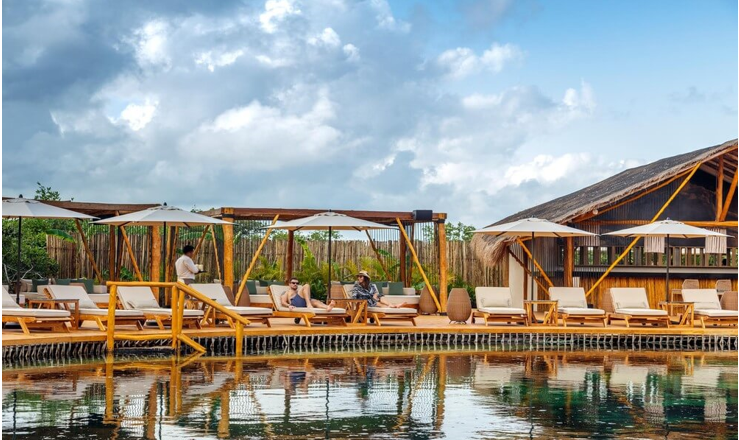
Atta Tulum is renowned for its exclusive cenote club, a space designed for those seeking luxury and comfort while immersing themselves in the crystal-clear waters of its private cenote, Tuuch. The club offers various amenities, including comfortable sunbeds, Balinese beds, and a bar service that serves tropical cocktails and a selection of exclusive wines.

Visitors can enjoy a Daypass that includes a complimentary drink, a welcome kit, and a towel, allowing guests to relax and soak in the tranquility of the natural surroundings. The club is open daily from 11:00 am to 7:30 pm, providing a perfect retreat to escape the hustle and bustle of everyday life and connect with nature.

Exceptional Gastronomy at Atta Restaurant

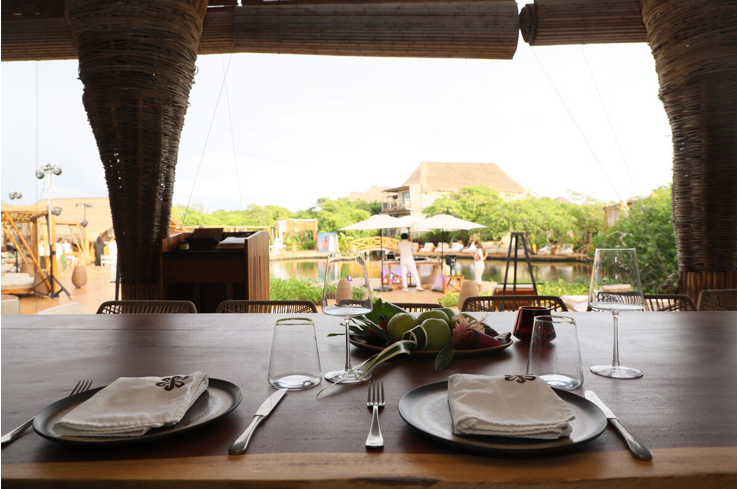
Atta Restaurant is a culinary gem within Atta Tulum, offering a gastronomic experience that fuses local ingredients and ancestral techniques with global flavors. The restaurant, located on the banks of the Tuuch cenote, serves breakfast, lunch, and dinner in a serene setting surrounded by Tulum’s lush vegetation.

The Atta Restaurant menu is inspired by seasonal ingredients and regional culinary traditions, creating sophisticated dishes that awaken all five senses. From ancestral Oaxacan corn masa to French steak tartare and Vietnamese rice vinegar, each dish celebrates culinary diversity and the richness of local ingredients.

Activities and Experiences

In addition to relaxation and gastronomy, Atta Tulum offers various activities designed to enrich guests’ stays. From yoga classes by the cenote to cacao ceremonies and underwater photography sessions, each experience is designed to connect visitors with Tulum’s culture and nature.

Reviews and Comments

Visitors to Atta Tulum consistently praise the quality of service and the beauty of the surroundings. Common comments highlight the freshness and exceptional flavor of the dishes at Atta Restaurant, as well as the tranquility and luxury of the cenote club. Reviews emphasize the attention to detail and the dedication of the staff to ensure a memorable experience.

Location and Contact

Atta Tulum is located at Carretera Tulum-Punta Allen KM7, Boca Paila, C.P. 77766, Tulum, Quintana Roo, Mexico. For more information or to make a reservation, interested parties can visit their official website or contact them directly through the phone numbers and emails provided on their page.

In summary, Atta Tulum positions itself as a dream destination in Tulum, offering an unparalleled combination of luxury, nature, and gastronomy. Whether for a relaxing getaway or a unique culinary experience, Atta Tulum promises an unforgettable stay in the heart of the Riviera Maya.

What is religious tourism, and why is it so significant?

Posted on May 25, 2024June 1, 2024 by corereflex

One of the first types of tourism, religious tourism is a rapidly expanding industry. Here is an explanation of what it is and why it is so essential from Peter Wiltshier, Consultant Researcher Community & Tourism Development NZ at Research Consultancy NZ, New Zealand.

Read More: Al Carraway

Religious tourism: what is it?

From the beginning of human civilization, there has been religious tourism. Pilgrims traveled the world to honor the hallowed locations and their protectors. Over the past two millennia, pilgrimage and tourism have combined at holy locations. Rich Europeans have more recently—during the last 200 years—visited unique locations of religious ritual throughout Europe and the New World.

What makes it so crucial?

For thousands of years, people have visited places with unique holy meaning. These places require preservation, conservation, and interpretation, and that is now crucial. Few people watch over these unique locations for prayer and devotion, and even fewer provide the funding needed to keep these locations up to date and run for worshipers and guests. We do distinguish between worshipers and tourists because, in certain particularly rare locations, such as Lourdes in France and Fatima in Portugal, holy sites accommodate both groups nearly equally.

The history of religious tourism

There are several difficulties in managing religious tourism, each one distinct in scope and nature. Religious sites have been there since the time of the Bible, and pilgrimages in the Judeo-Christian framework are described in the Old Testament. One such event is Elkanah’s yearly journey to Shiloh, where he worships and offers sacrifices (1 Samuel 1:1-28). The New Testament account of Pentecost, when Jews from all over the globe flocked to Jerusalem for the Passover, also contains it (Acts 2: 1–12). While some of these sites are far older, they are still quite valuable as historical places. One issue that arises specifically in the administration of cultural assets is upkeep costs.

Overseeing religious tourism destinations

Since religious organizations hold the majority of religious sites, managing them may provide difficulties as they must strike a balance between the requirements of worshipers and those of their guests. Mosques are the hub of Islamic tourism, drawing tourists from both the Muslim and non-Muslim communities. Mosques can be visited by Muslims as places of worship or as tourist attractions when they are traveling. Numerous mosques serve as both a place of prayer and a hub for the community. Since the mosque serves as a community center, it will be available for events and gatherings that are not exclusively religious in character and may attract non-Muslims.

Muslim nations, including those in the Organization of Islamic Cooperation (OIC), are open to tourism in general and religious travel in particular. However, they distinguish between different types of religious tourism and pilgrimage, of which the Hajj is the most well-known. Non-Muslims are not accepted on the Hajj, however they are welcome in places like mosques. Unquestionably the most significant Muslim pilgrimage, the Hajj brings millions of Muslims to Makkah (Mecca) in Saudi Arabia. It is one of the most significant types of pilgrimage that occurs today. For this reason, it’s critical to distinguish between non-Muslim and Muslim tourists to Muslim destinations. For instance, it is forbidden for non-Muslims to go through the Hejaz area, which is home to the cities of Medina and Mecca. The “ownership” of these sites is a source of considerable debate; this is covered below. Similar issues with competing agendas exist in other religions.

Travelers and believers

Visitor-worshippers at religious places have been known to get into arguments. While many tourists consider worshipers to be a part of the experience, some believers find it uncomfortable to be seen. Worshippers are glad to share their place of worship and are proud of the site’s design and history, which draw tourists, rather than feeling like they are a part of a “show.” Cultural barriers are not easily crossed by sacredness. Something that one group of people, like parishioners, may consider sacrosanct, another group of visitors may find it intriguing from a cultural standpoint. Church officials may need to decide when to accept a request to join in a service as a sincere statement of interest or purpose, as some guests may want to participate in worship.

In order to address such demands in a structured and stakeholder-driven manner, developing places of particular significance necessitates the dissemination and sharing of both intellectual and practical contributions. Half a century ago, traditional approaches to development arose with an emphasis on core capabilities and the consensus that fair and free competition would improve quality and provide adequate profit margins. Raising consumer awareness of goods and services and connecting them to marketing strategies is crucial.

Clerics and managers can better understand the requirements of worshipers and visitors by doing primary research and using analysis and synthesis to build audiences for their facilities. In the book, we discuss the value of upkeep and strategies for creating websites that take into account elements in the internal and external environments that recognize the need to stay competitive.

How can destinations for religious tourism remain competitive?

Networks play a crucial role in interacting with the larger community and perhaps expanding their reach to a global level. We highlight the importance of an organizational culture by attempting to use resources that are often not used in the management of religious and pilgrimage sites.

Our book offers excellent strategies for promoting travel to places of worship and pilgrimage, ranging from Salt Lake City, Australia, to China, Nepal, and a variety of significant but varied locations in England, Hungary, Spain, and Ireland. At these locations, cutting-edge methods for managing festivals and events are combined with fresh perspectives via the application of virtual reality technology. Newly developed emulation best practices are associated with locations that have funding managers on staff who are equipped to balance the demands of maintaining and safeguarding the historic sites at the heart of the tourist experience with the hazards of growing visitor numbers.

A charter yacht: what is it?

Posted on February 25, 2024March 13, 2024 by corereflex

Have you ever imagined yourself boarding a private boat with only your nearest and dearest friends and family? Your fantasy might very well come true, since luxury charter boats are available in some of the most popular tourist spots on the planet. It’s not even necessary for you to be a boat owner or even proficient sailor.

Read More: Yacht Charter Vilamoura

Continue reading to find more about the many kinds of charter boats that are available, how they vary from conventional liveaboards and resorts, and the advantages of reserving a private charter.

What does renting a boat entail?

Private charter yachts are essentially rentals of full boats that are available to visitors. Thus, the primary distinction between regular liveaboards and charter yachts is that the former will provide you exclusive use of the whole vessel. Naturally, every charter boat will have a separate rental agreement that will outline the specifics of your reservation, including inclusions and limitations, the maximum number of people permitted, activities provided, and the route followed. It is also possible to rent a boat with or without a crew; this is known as crewed or bareboat chartering.

The majority of charter trips nonetheless have a few things in common, despite the variations in rental conditions and the enormous possibility for personalization. First off, cruise ships frequently visit far-flung locations that are difficult for day trippers to reach, giving passengers the opportunity to see more of the world in a single journey and providing access to some of its most pristine settings. Additionally, charters usually include a number of optional options that can be added for an extra fee in addition to rolling the basic package into one fixed rate. The best part is that they allow you to personalize practically everything, including daily menus, extra activities, and even the guest list and schedule for the trip!

What is the difference between open cabins and charter yachts?

Liveaboard diving boats often book using an open cabin layout. Similar to a hotel or resort, the ship has a set timetable and its accommodations are filled first come, first served. Additionally, some boats provide shared accommodations as a cost-effective choice for individuals traveling alone or as a means for visitors to make new diving friends.

In contrast, when you rent a boat, you may keep the entire vessel to yourself and invite just those you choose to travel with. You are free to pack the cabins with as many or as few people as you choose, however most charter agreements include a maximum number of passengers.

Partial charters are another service provided by certain boats, which let you book several rooms at a lower price for your party of travelers. Although these vacations don’t provide the same seclusion and exclusivity as a full charter, they do come with certain advantages, such booking cabins and activities exclusively for you and your friends.

The most typical kinds of charter boats

The kind of boat you’ll be traveling on is one of the most important factors to consider when making a private charter reservation. Rentable vessels include motor yachts, sailboats, catamarans, and traditionally constructed solid wood ships, each with their own advantages and disadvantages.

Yachts by motor vs by sail

Mostly powered by wind, sailing vessels glide gently and add to the romantic ambiance of your charter trip. Because they consume a lot less fossil fuel than motor or power boats, they are also more environmentally friendly. However, they are also significantly slower, which makes them less useful for long-distance travel.

Powered stabilization devices are commonly used by motor boats to provide a more comfortable ride. As the boat rolls from side to side, these fins and flywheels come into action, keeping the decks level in the water. On the other hand, internal water tanks help sailboats balance their weight and minimize roll. While they do provide a little smoother ride, these are not as advanced as boats with motors.

Aesthetics is another important distinction between motor boats and sailing boats. Sailboats are perfect for romantic getaways and cultural immersion because of their rich mahogany construction and more traditional appearance, which includes masts rising from the deck. In contrast, modern motor yachts provide modern convenience and flair because they are usually constructed of metal and do not require masts or sails.

Catamarans against monohulls

Catamarans are constructed over two independent hulls, whereas monohulls, sometimes known as single-hulled vessels, are created with one huge internal area. The trimaran is a third, far less frequent kind of boat that has three separate hulls. Since they can roll more than a catamaran or trimaran due to their form, monohull boats can occasionally seem less stable on the sea. But because their whole interior is linked, their layout is more sensible and simple. Because they are far less maneuverable, catamarans are also less thrilling to sail.

Conventional phiniss

The Bugis tribe of South Sulawesi, Indonesia, build these traditional two-mast sailing vessels as a regional variation on the European gaff or schooner. Some of the world’s best sailing vessels are created by the same family that have been making these boats for decades using methods passed down from their ancestors. The unique rigging system used by phinisis, which are hand-built from exotic woods found in Southeast Asia, has seven or eight separate sails for propulsion and power. The classic phinisi design serves as the foundation for almost all charter boats that operate in Indonesia.

Traditional single-hulled sailboats like Turkish gulets, Arabian dhows, Maldivian dhonis, and ketches are also available for charter worldwide.

Yacht charter advantages over resorts and liveaboards

The main allure of a charter boat is its exclusivity. Since you won’t be traveling with other groups or individuals, unlike at a typical liveaboard or resort, every moment you make will be more meaningful. Naturally, you also get to decide how many people to invite, which gives you the freedom to design the precise ambiance you want.

Charters frequently provide services that may not be offered elsewhere to an affluent audience. In addition to creating an ambiance of exclusivity, these charter boats may provide highly personalized service with a high staff to guest ratio, as well as exclusive activities in remote locations that are well outside the normal traveler’s path. You will have the entire boat to yourself, so the crew will be pleased to accommodate any of your requests. You will be able to customize every aspect of your trip, including where you go, what you eat, and the sports you play. A few opulent activities that may be offered are romantic private dinners, trips to private islands, cutting edge watersports equipment, and opulent spa treatments.

Finally, hiring a private boat might be a fantastic choice for divers who want a little more care and attention while they are underwater. You won’t have to be concerned about pushing yourself over your comfort zone or holding other dive groups back. You are free to go at your own speed underwater and will receive as much practical advice and help as you require. Certain vessels have the option to incorporate diving instruction and courses into your schedule, catering exclusively to you and your fellow travelers.

Tulum’s Enchanting Waters: A Dive into Cenote Restaurants

Posted on January 20, 2024January 22, 2024 by corereflex

Tulum’s allure extends beyond its sun-kissed beaches and ancient ruins to the mesmerizing world of cenotes. These natural sinkholes not only serve as serene oases but also as captivating settings for some of Tulum’s most enchanting dining experiences. Join us as we dive into the culinary treasures of Tulum’s cenote restaurants, where the crystal-clear waters and lush surroundings elevate the gastronomic journey.

1. Atta Tulum – Culinary Excellence by the Cenote Club

Our journey commences with the renowned Atta Tulum, a culinary gem seamlessly integrated with the natural wonders of the region. Set by the Tuuch cenote, Atta Tulum offers more than just exquisite dishes; it presents a unique cenote club experience. With the serene waters as a backdrop, patrons can indulge in a sensory journey, celebrating the flavors of Tulum in a setting that merges nature and gastronomy.

From lobster with traditional black mole to crispy fish tacos with avocado sauce, Atta Tulum’s menu epitomizes the culinary richness of the region. Post-meal, guests can retreat to the cenote club, savoring handcrafted cocktails and soaking in the tranquil beauty—a testament to Tulum’s harmonious blend of natural wonders and culinary excellence.

2. Kin Cenote – A Culinary Escape Amidst Nature’s Bounty

Nestled in the heart of Tulum’s lush jungle, Kin Cenote emerges as a culinary haven that seamlessly blends with its natural surroundings. This cenote restaurant invites diners to indulge in a gastronomic escape, where the menu reflects a commitment to local ingredients and traditional flavors. Whether savoring fresh ceviche or delighting in grilled specialties, every dish at Kin Cenote is a celebration of Tulum’s culinary richness.

As you relish the flavors, take in the sights and sounds of the surrounding cenote. Kin Cenote’s commitment to sustainability and the integration of natural elements creates an immersive dining experience that captivates all the senses.

3. Verde Cenote – Freshness in Every Bite by the Cenote’s Edge

Verde Cenote stands as a testament to Tulum’s commitment to fresh and vibrant culinary experiences. This cenote-side gem offers a menu where the emphasis is on locally sourced, organic ingredients. Diners can enjoy a variety of dishes, from refreshing salads to innovative seafood creations, all while being enchanted by the proximity of the cenote’s edge.

Verde Cenote takes pride in creating an atmosphere where culinary excellence meets the tranquility of nature. The open-air setting and the gentle sounds of the cenote create a perfect harmony for an unforgettable dining experience.

4. Azul Cenote Lounge – Fusion of Flavors in Cenote Serenity

Azul Cenote Lounge, situated near one of Tulum’s serene cenotes, beckons diners with its fusion of flavors in a tranquil setting. The menu at Azul Cenote Lounge is a journey through Tulum’s culinary landscape, featuring a diverse array of dishes inspired by both local traditions and global influences.

As you dine al fresco, surrounded by the beauty of the cenote, Azul Cenote Lounge invites you to explore the culinary wonders of Tulum while immersed in the serenity that only a cenote can provide.

Stay tuned as we continue our exploration of Tulum’s cenote restaurants, each offering a unique blend of culinary excellence and the enchantment of these natural wonders.

  • 1
  • 2
  • Next
© 2026 Core Reflex | Powered by Minimalist Blog WordPress Theme